MCCare

Companion Care NZ

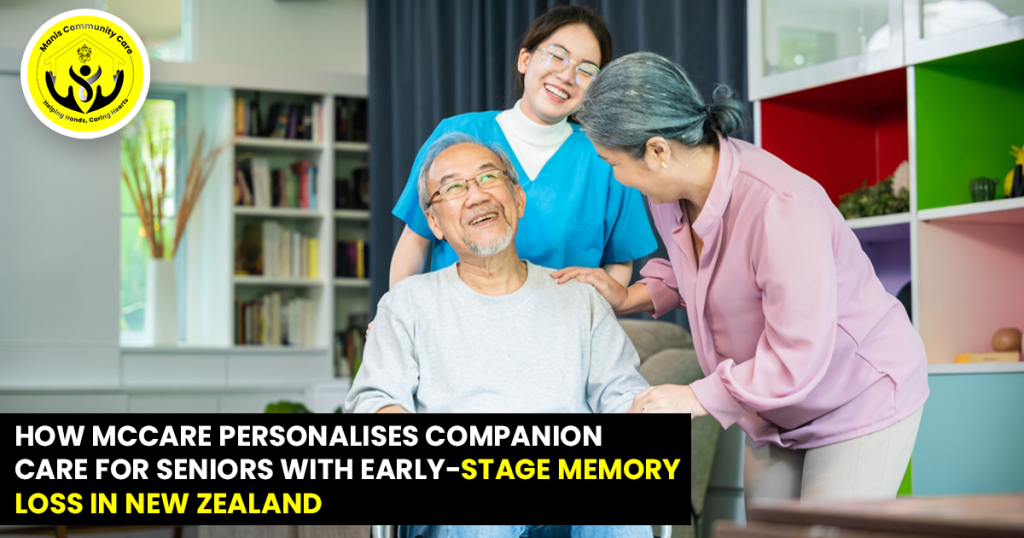
How MCCare Personalises Companion Care for Seniors With Early-Stage Memory Loss in New Zealand

It is a very melancholic experience to observe a cherished parent or grandparent start the initial phases of memory loss. You may find they are a bit shy or that they are being difficult to understand.  During these times, what they often need most isn’t complex medical care but consistent, friendly support that helps them feel secure and valued right where they are, at home. That’s the very heart of personalised services like companion care in New Zealand. At MCCare, we believe that true support for early-stage memory loss can’t be solved with a generic checklist. It concerns the need to maintain the identity of a person, their narratives, and their day-to-day pleasures. So, how do we build a care plan that feels less like a service and more like a genuine friendship? In this blog, we have answered this very question in detail.  What Does ‘Personalised’ Really Mean in Home Care NZ? Many providers use the word “personalised”, but what does it actually look like day-to-day? For us, it starts long before our first official visit. It begins with listening. We don’t just ask about medication schedules and allergies. We sit down with you and your family to understand better about aged persons. We ask about their life. What was their job? What was their favourite music in their twenties? Is there a favourite biscuit? Did they have a prize-winning rose garden? These are the blueprints of the stories.  They assist us in relating with one another on a human level, making a carer a real companion. This depth of understanding is what sets the best home care NZ has to offer apart from the rest. How Do Your Companion Services NZ Connect with a Senior’s Interests? An individual who cannot remember is still the individual that he/she has always been. Their interests and passions do not disappear, although it may become difficult to access them. Our companion care NZ is designed to rekindle those joys. Their hobbies aren’t just another “activity”, rather, they are imprinted in their memory as enjoyable times. They are strings which tie an individual to his or her life story and increase confidence and decrease anxiety. It is not about doing to but doing with. Why is Family Involvement So Crucial? We consider ourselves as part of your family rather than substitutes. The family members are the specialists of their loved ones. You possess the key to their likes and their peculiarities, to their past. That is why we attach importance to open and continuous communication. We give soft reports, not clinical ones, but reports of the pleasant things. This collaboration provides uniformity and creates a trust circle around your loved one, which gives you tranquillity. Conclusion You should not have to walk alone in the journey of memory loss. The right support will be the difference between a difficult time and a time of moments of connection and dignity. It’s about providing compassionate Companion Care NZ families can rely on. If you’re exploring options for a loved one in New Zealand, we invite you to experience the MCCare difference. We should discuss the way in which we can develop a personalised plan that respects their past, helps them in the present, and adds happiness to their everyday life. Get in touch with us!

How MCCare Personalises Companion Care for Seniors With Early-Stage Memory Loss in New Zealand Read More »

Elderly Care Services

Daily Care Tips That Help Seniors Stay Independent Longer

Watching a parent or loved one slow down with age is tough. Your first instinct might be to jump in and do everything for them. But true care is often about empowering them to do things for themselves. Staying independent is what keeps us feeling confident and healthy. The good news? With a few simple daily habits and the right support from an elderly care services partner like MCCare, your loved one can safely enjoy their own home for much longer. Here are some practical ways to help make that happen. Actionable Daily Tips For Sustaining Independence Tackle Trip Hazards Immediately Move around the house and clean up the loose carpets, messes and power cords off the walkways. The simplest method of avoiding a dangerous fall is to keep the walkways clean. Install Simple Safety Aids Install grab bars in the shower and besides the toilet. Insert non-slip mats both indoors and outdoors in the tub. These mini-installations are essential and instil confidence. Make Everything Easy To Reach Move the kitchen and wardrobe around. Put everyday items like dishes, pots, and clothing on shelves that are approximately at the waist. This eliminates dangerous stretching and bending. Keep The Home Brightly Lit Install brighter bulbs and plug in night lights in hallways, stairways and bathrooms. Lighting assists in navigation, both day and night. Use A Pill Organiser Faithfully The guesswork of medication is removed with the help of a weekly pill organiser. For added reassurance, a carer from a trusted Elderly Care Services at-home provider like MCCare can offer friendly reminders and ensure medications are taken correctly. Prepare Healthy Meals In Advance Allot some hours in a week to chopping vegetables or preparing meals that can be frozen. Healthy eating is easy because of the availability of healthy, ready-made food. Build Movement Into Every Day Promote a daily walk or some exercises on a chair. Regularity is better than intensity in the process of retaining strength and balance. Schedule Social Connection Put it on the calendar! Loneliness is combated by a weekly coffee date, a phone call with a friend, or a video chat with family and keeps the mind active. Arrange Reliable Transport In case driving is not safe anymore, get another means of transport. This is where seeking compassionate elderly care services near me shines. A carer will be able to offer a helping hand to go to the shop, doctor or a favourite park. Accept Help Where It Counts Allow an assistant to do the more difficult tasks, such as vacuuming or bed linen. This will conserve the energy of your loved one for the activities that he or she really enjoys. Conclusion Remember, asking for help isn’t a sign of failure; it’s a smart way to extend your loved one’s independence. These daily tips are a powerful start, but sometimes, you need a professional partner. That’s where we come in. At MCCare, we specialise in providing the exact support your family needs to fill in the gaps. Our flexible elderly care services are built around your loved one, helping with everything from safety and daily routines to companionship and getting out into the community. Let’s work together to create a care plan that supports a life of freedom, dignity, and joy at home. Contact us today!

Daily Care Tips That Help Seniors Stay Independent Longer Read More »

Child Care Near Me

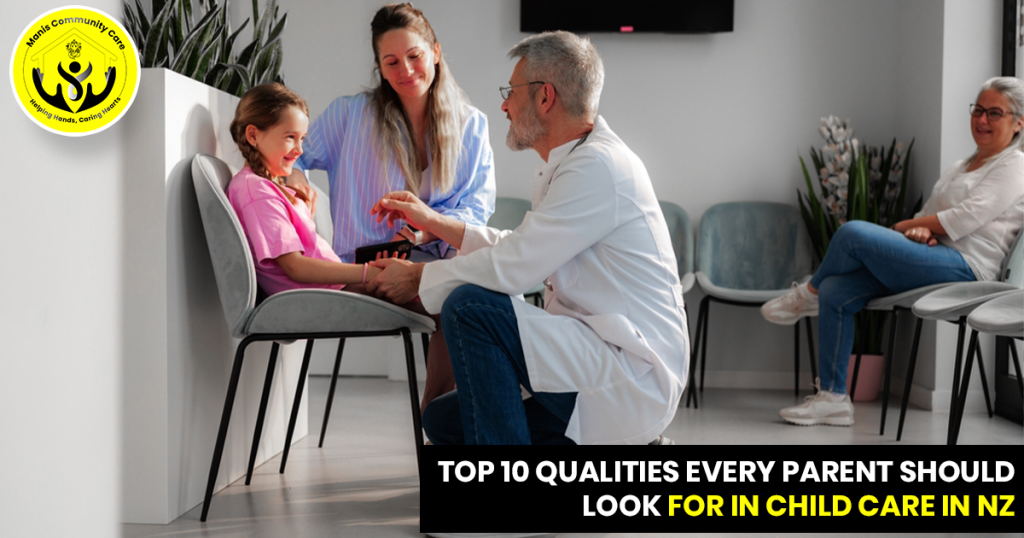
Top 10 Qualities Every Parent Should Look for in Child Care in NZ

Choosing someone to care for your child is one of the biggest decisions you’ll make in New Zealand. It goes beyond convenience; it’s about welcoming a trusted partner into your family—a second guardian who makes your child feel truly safe and secure. At MCCare, we specialise in in-home childcare, helping families navigate this choice every day. But with countless options at your fingertips, how do you move beyond a simple ‘Child Care Near Me‘ search to find the one? The answer lies not in a checklist, but in a set of core qualities. 1. Does the Carer Create a Home Away From Home? The setting is your home, the most familiar and most comforting place for your child. The challenge is finding a carer who augments that space, introduces warmth, and is able to play with your child in your living room while making the day feel safe and fun. This is where Child Care in-home services truly shine. 2. What Are the Essential Skills and Characteristics a Child Care Provider Should Have? This is the very heart of your choice: while credentials provide a foundation, the right person is what truly matters. The most important skills and qualities would include patience, authentic empathy and engagement. Observe how the person interacts with your child. Do they get down to their eye level to engage? Do they listen and demonstrate caring responsiveness? That warmth is something that cannot be taught.  3. Is Communication Clear and Consistent? You never want to be left wondering about your child’s day. The best childcare providers are those working one-on-one in your home and are pros at communication. This is a cornerstone of the MCCare standard. We ensure our carers are proactive in sharing your child’s day. This could be a detailed logbook, a quick text with a photo, or a daily debrief. They should be proactive in sharing both the triumphs and any minor concerns. 4. Do They Value Cultural Safety? This is an important aspect of contemporary New Zealand childcare. A great carer will acknowledge and weave your family culture and values into their practice. Are they ready to learn about your traditions? Good providers respect your family culture and support New Zealand’s bicultural context, including an appreciation of te reo Māori and whānau values. 5. Can They Provide a Routine That’s Structured but Flexible? Children thrive on routine. A great in-home carer will work with you to maintain your child’s familiar schedule for meals, naps, and play. But the beauty of in-home care is its flexibility. Does the carer allow for spontaneous fun, like an extra-long story or an impromptu creative play? The best days mix predictable comfort with joyful surprises. 6. Is Your Child Truly Happy and Engaged? Trust your eyes and your child’s reactions. After a session with a carer, does your child seem content, relaxed, and eager to tell you about their day? Or do they seem unsettled? A strong, positive connection between your child and their carer is the single best sign you’ve made the right choice. 7. How Do They Handle the Tough Moments? A child’s day does not consist entirely of smiling. How a carer will manage a toddler’s tantrum, frustration over a toy, and separation anxiety can say a lot about them as a provider. Look for providers who will try to use these moments as opportunities to teach the child while offering comfort and guidance . 8. Is There a Strong Focus on Learning Through Play? The best childcare weaves learning into everyday play. An excellent in-home carer will use your child’s own toys, your backyard, and simple household items to encourage development. Learning should happen through stories, building blocks, creative art, and conversation, not structured lessons. 9. Do Their Values Align With Yours? Each and every family differs from another. You may place an emphasis on a screen-free environment, outdoor play, or a particular nutrition philosophy. Discovering a carer who understands your core values is a powerful and unique partnership for your child. 10. Do You Get a Genuine “Gut Feeling”? Finally, never underestimate your parental instinct. After considering all the logical points, the skills and characteristics a childcare provider should have, the safety checks, and the experience, like, how do you feel about this person in your home? Your intuition is a powerful tool. If you feel an immediate sense of trust, you’re likely on the right track. Choose the Right Child Care in NZ So, the next time you hit Google with ‘Child Care Near Me’, you would know what to do. We believe that you should not ignore these ten qualities. We’ve carers with whom your children don’t just grow; they flourish. Ready to see these qualities in action? Let’s partner together for perfect care for your child. Call us today!

Top 10 Qualities Every Parent Should Look for in Child Care in NZ Read More »

Personal Home Care Services

How MCCare’s Personal Home Care Services Improve Daily Living for Seniors

The desire for safety and the right to independence don’t have to be at odds. Yet for many families watching an ageing loved one, this very balance becomes a daily tightrope walk. The fear isn’t just about falls or forgotten medications; it’s the threat of a forced move from the home they love. What if you could ensure their safety without asking them to leave the home and life they love? This is exactly where the right kind of support makes all the difference. At MCCare, we firmly believe that quality care is more than just taking care of daily tasks. It includes nurturing a person’s spirit and independence. Our Personal Home Care Services are designed to do just that, seamlessly blending essential support with genuine companionship to transform the daily experience of ageing. What Does a Truly Supportive Personal Home Care Agency Actually Do? Most individuals believe that home care is nothing other than clinical assistance. However, in our experience, the most significant support is present in day-to-day situations. A reliable personal home care agency in New Zealand focuses on the person’s complete well-being. This implies that we assist in those things that make life not only bearable but also enjoyable. As an example, we do not simply see the preparation of meals as a task. We view it as a chance to make their favourite, healthy food, have a talk over a cup of tea, and make sure that your loved one is eating properly. This comprehensive attitude is what makes a service a true collaboration towards a more improved life. Isn’t It Just About Safety? How Does It Help With Daily Joy? We see safety as the starting line, not the finish line. It’s the secure foundation from which a purposeful and connected life can truly flourish. Loneliness is one of the greatest challenges that seniors encounter, and this may have a significant impact on their well-being. Our caregivers are carefully matched companions. They’re there to help with grocery shopping, share a story, assist with a beloved hobby like gardening, or simply provide reliable transport to a friend’s house or a doctor’s appointment. This reliable presence does more than just prevent falls; it combats isolation, keeping the mind sharp and the heart light. How Do I Find the Right Personal Home Care Services Near Me? Searching for “personal home care services near me” can feel overwhelming in New Zealand. You are presented with a list of names, yet what is the best way of knowing which one is really in touch with what your family needs? The trick is to find an agency that listens rather than talks. The first thing that we do when you contact MCCare is to listen. We do not have a one-size-fits-all approach. We also take time to understand the habits of your loved one, his or her preferences and things that make them happy. Do they like a morning walk? Should they be reminded to take the medication? We develop a tailored care model that honours their individuality and empowers their decisions. Finding the right personal home care services near me should feel like finding a trusted partner, and that’s the standard we hold ourselves to. More Than Just Help: It’s About Building a New Chapter Support is not a form of surrender, it is an effective means of controlling and improving the quality of life. It is about increasing the number of good days, laughing more, and having more peace of mind in the whole family. Our mission is to provide compassionate and professional personal home care services that allow seniors to thrive in the place they love most, that is, their own home. If you’re wondering how to make daily life better and more joyful for someone you love, let’s have a conversation. Call us today!

How MCCare’s Personal Home Care Services Improve Daily Living for Seniors Read More »

Home Care for Elderly in NZ

MCCare’s Approach to Home Care for Elderly in NZ: Personalized Support That Works

It often starts subtly. A forgotten medication. A quiet mention that the vacuum is getting heavy. For families across New Zealand, these small moments spark a big, complicated question: “How do we keep Mum or Dad safe and happy at home?” The search for answers can lead you down a rabbit hole of generic brochures and impersonal services. It feels overwhelming. But what if it didn’t have to? At MCCare, we believe the best home care for elderly in NZ shouldn’t be another source of stress. It should be the solution that ends it. It’s about replacing a one-size-fits-all checklist with a plan built entirely around one person: your loved one. Is Private Home Care for Elderly Just About Tasks? Many people think care is just a list of chores: showering, cleaning, and cooking. And while these things are essential, they’re just the beginning. True, high-quality private home care for elderly in NZ focuses on what happens between the tasks. It’s the conversation over a cup of tea that lifts your dad’s spirits. It’s the patience to listen to an old story for the third time because it brings your mum comfort. It’s noticing that the milk hasn’t been touched and gently figuring out why appetite has changed. This deeper level of attention is what turns a service into genuine support. It’s the foundation of well-being that many elderly care services in New Zealand miss because they’re rushing to the next appointment. We don’t clockwatch. We connect. How Can Elderly Care Services in New Zealand Ease Your Mind? Your biggest worry is likely the “what ifs”. What if they fall? What if they’re lonely? What if something changes and no one tells us? We designed our strategy to address these concerns directly. With MCCare, you are not hiring an anonymous service; you are engaging a partner. You will have one consistent and carefully chosen carer that is a familiar, trusted face. You will also receive clear, plain communication regarding what you need to be informed about.  No surprises, no jargon, just straightforward, honest communication. This reliability is what makes MCCare’s elderly care services in New Zealand truly a source of comfort for families. What Does “Personalised Support That Works” Actually Look Like? Let’s be specific. “Personalised” isn’t just a buzzword for us. It’s our method. Consider a woman in her late 70s who was becoming withdrawn. A standard care plan would ensure her physical needs were met. Our carer had learnt to be a talented pianist. We worked with the family to get her keyboard tuned. Now, part of their time together is filled with music. She teaches her carer simple tunes, the house is alive with sound, and her confidence has blossomed. That’s the difference. We look for what makes a person light up, and we weave that into their care. This proactive, joyful approach is the core of our private home care for elderly philosophy. It supports mental and emotional health just as much as the physical. Your Next Step Towards Peace of Mind Helping your parent navigate this journey is an expression of love. You deserve a partner who supports you in this process, rather than creates unnecessary difficulties. The entire team is committed to delivering a more effective and more human type of home care for elderly in NZ. We delve into the person, not just the plan, to develop a solution that genuinely works. If you’re ready to move from a feeling of overwhelm to feeling genuinely supported, we are ready to listen. Contact us today!

MCCare’s Approach to Home Care for Elderly in NZ: Personalized Support That Works Read More »

Aged Care in New Zealand

How Does MCCare Adapt Care Plans for Seniors with Chronic Conditions in NZ?

Watching a loved one manage a chronic condition like heart disease or diabetes is tough. You see them struggling even while doing the simplest of tasks. What works perfectly one month might not be enough the next. This is the reality of growing older with ongoing health needs. It’s also why a fixed care plan just doesn’t help you anymore.  At MCCare, we believe true, compassionate aged care in New Zealand must be as dynamic as the people it serves. This is why we build adaptability into every plan. So, how do we ensure care remains effective through all of life’s changes? Keep on reading to find out! Why Do Standard Care Plans Often Fall Short? Many aged care services start with a solid initial assessment. But later the plan just sits in a folder, unchanged, while the senior’s world continues to shift. Their arthritis may have made gripping a kettle safely more difficult. A new medication may be causing unexpected dizziness. These details are more than trivial; they are consequential changes offering an actionable opportunity, and a static plan cannot account for subtle but consequential change. This is why being proactive and watchful is essential. How Does In-Home Care for Seniors Stay Flexible? The magic lies in constant communication and observation. They are trained to notice the small things, that a usually tidy home is looking cluttered, or that a once-favourite chair hasn’t been sat in. These are clues. We don’t just show up, complete a task list, and leave. We engage and chat. We build a real relationship. This trust means your loved one is more likely to mention that they’ve been feeling a bit unsteady or that they’ve lost interest in cooking. This real-time feedback is pure gold. It allows us to adjust the care plan right away, whether that means adding in more support with meal preparation or scheduling a physio consultation. What Does Adapting an Aged Care Plan in New Zealand Actually Look Like? Suppose we’re supporting a man with Parkinson’s. Our initial plan focused on helping with showering and housekeeping. But his carer noticed he was struggling to open his pill bottles, sometimes missing doses. She didn’t just note it down. She immediately discussed it with us. The very next week, we’d introduced a weekly pill organiser and added a quick daily “medication check-in” to the routine. It was a small change with a huge impact on his health and independence.  So, the essence of MCCare’s in-home care for seniors is not just solving the problems you have now but also anticipating the future ones. This process is central to how we deliver professional elderly care services. We build a care plan that grows with you You can’t have a fixed solution for anyone fighting with a chronic illness. Instead, it is about building a resilient, responsive support system. It requires a provider who listens more than they talk and who is always ready to change course. This flexible, client-centric approach is what we at MCCare believe modern aged care in New Zealand must be. If the idea of a care partner who truly adapts to your family’s journey resonates with you, get in touch with us today!

How Does MCCare Adapt Care Plans for Seniors with Chronic Conditions in NZ? Read More »

Elderly Care in New Zealand

The Benefits of In-Home Elderly Care Services in New Zealand

Realising that an ageing parent or loved one requires more support even in daily activities is a deeply human experience. Many families face a tough decision: should they go for a retirement village, or is there a way to help their loved one stay in their own home? For many, modern elderly care in New Zealand, like MCCare, offers a wonderful third option. It’s no longer just about basic tasks; instead, it’s about living with independence, connection, and joy. So, what does private home care for the elderly look like? In this blog we have explored all the benefits of aged care in New Zealand in detail. Keep on reading! What Are the Real Benefits of Aged Care at Home? When you ask, What are the benefits of aged care? most people first think of the basics: help with cleaning or medication management. But the impact runs so much deeper than that. It’s about preserving a person’s way of life. Staying at home means remaining in a familiar environment filled with memories, maintaining neighbourhood friendships, and holding onto the simple daily rituals. This emotional comfort is a powerful foundation for overall well-being, something we at MCCare witness every single day. How Does In-Home Elderly Care in New Zealand Boost Well-being? Generic care plans often miss the point. Effective home care in New Zealand is built around the individual. Think about the difference between a scheduled meal in a facility and enjoying a home-cooked recipe they’ve made for years. It’s the difference between a group activity and a quiet chat in their own garden. This is where private home care for the elderly shines. With personalised attention, the carer isn’t rushed. They have the time to not only ensure safety but also to foster genuine connection. They can assist with your loved one’s favourite hobby, drive them to a local park, or simply share a story. This personalised attention is the heart of quality aged care in New Zealand. What Elderly Home Help Services Offer Your Family? Many people view elderly home help services as primarily household helping tasks. Keeping a house clean and safe is essential, but the best home help services offer family members something far more valuable: peace of mind. Knowing a qualified professional is in the home on a regular basis eliminates the constant worry for family members. This type of support lets you focus on spending quality time with your loved one rather than worrying about dinner and medications for the elderly.  Why Are Private Homecare Services for the Elderly a Game-Changer? While the other aged care providers in New Zealand help with essential care, they frequently do not have the flexibility or depth that many families would like. This is where private homecare services are vital. Service providers such as MCCare provide support designed to meet your specific schedule needs. In this approach, you feel empowered to make choices, so the care is adapted to suit your loved one’s life, not vice versa. This approach to aged care in New Zealand puts control back on the family side. Conclusion Choosing the right path for elderly care in New Zealand is one of the most important decisions a family can make. If you’re wondering what compassionate, personal aged care in New Zealand could look like for your family, we’re here to help you explore the possibilities. At MCCare, we’re dedicated to providing the personalised support that lets your loved one thrive in the comfort of their own home. Reach out to us today!

The Benefits of In-Home Elderly Care Services in New Zealand Read More »

New Zealand Aged Care Services

A Step-by-Step Checklist for Families Looking for Aged Care Services in New Zealand

Finding care services for an ageing loved one is one of the most caring and daunting steps a family can take. Between the options, the paperwork, and all the emotions, it’s easy to lose track. You’re not just looking for a service but for a new chapter of comfort, safety, and happiness for someone you love. The good news? You don’t have to figure it out alone. We’ve created this simple, step-by-step checklist to help you find the right New Zealand aged care services with clarity and confidence. Step 1: Begin with the Conversation with Care The first thing you should do before you even see a website or a brochure is to start with an open conversation. It’s about understanding your loved one’s wishes, fears, and hopes. What daily activities do they value most? What does a good day look like to them? Involve them in the process as much as you can. This is not something that you do for them, but with them. This open talk builds trust and ensures you find a solution they’re comfortable with. Step 2: Understand Your Needs and Options So, what is aged care in New Zealand? It can range from a little help with meals and cleaning to more dedicated personal or nursing care. The key is to have an honest chat about your loved one’s current needs. You need to ask them if they could live more safely and happily at home with some regular support. Getting clear on this spectrum of New Zealand elderly care is your essential first step. Step 3: Put the Financial Picture into Focus. Let’s ask the big question: How much does aged care cost in New Zealand? This is where many families feel stuck. Costs vary widely depending on the nature of care and the provider. You need to understand both private costs and any public funding you might be eligible for through agencies. Early financial visibility helps to avoid later price surprises. Step 4: Shortlist and research potential providers. When searching for aged care in NZ, look beyond a fancy website. Read recent reviews or ask friends or your GP for their recommendations. Create a shortlist of two or three providers that match your loved one’s needs and your family’s values. Look for providers who are open about their services and fees. This careful research is the core of finding quality aged care in New Zealand. Step 5: Navigate the Application Process After identifying what works for you, the provider will take you through the process of applying to their care. This process usually includes a needs assessment that will confirm your eligibility. Stay organised; keep copies of all documents, and ask the provider for help if you need it. An excellent provider will make the process as easy as possible for you. Conclusion Choosing the right New Zealand aged care services is a journey that is about planning with compassion. By following these steps, you will be assured that you’ve made an informed decision for your family. At MCCare, we understand the issues, the worries, and what is important for you. When you’re ready to explore how in-home care can support your family, we invite you to contact MCCare. Let us help you provide the comfort and safety your loved one deserves

A Step-by-Step Checklist for Families Looking for Aged Care Services in New Zealand Read More »

Home Assistance for Seniors

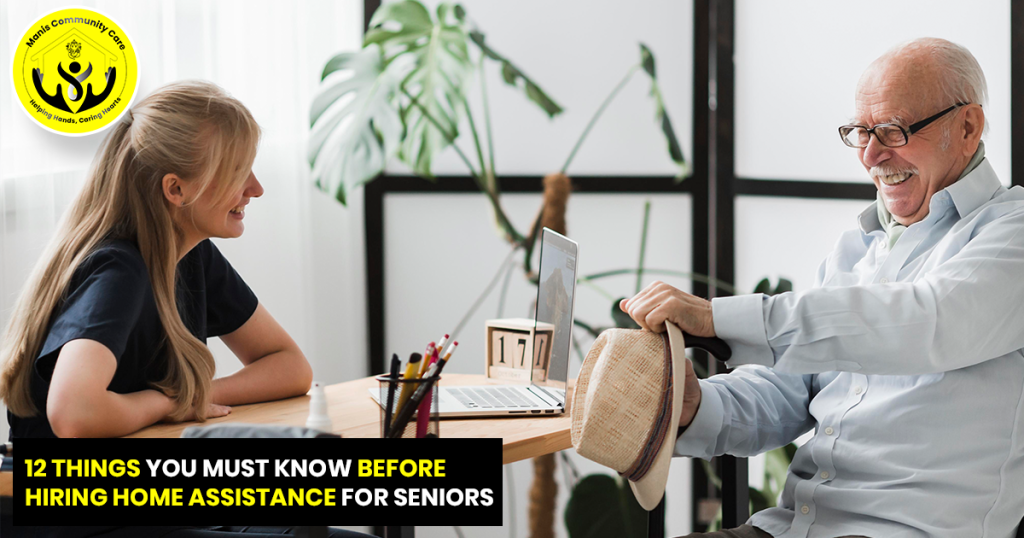
12 Things You Must Know Before Hiring Home Assistance for Your Elder

Choosing the right home assistance for a senior loved one is a deeply personal and often overwhelming decision. As a family member, you want to ensure they feel safe, happy, and supported at home. Professional home assistance services can help make that happen. However, before choosing any, there are some important considerations. At MCCare, we serve home assistance all over New Zealand and know well what a good home care service really looks like. From our experience below, we share 12 important considerations that help you make the best choice for your family. 1. Understand Your Loved One’s Needs Not all senior’s care requirements are similar. Some seniors need help with daily tasks such as bathing and cooking food, while others may require a companion or assistance with medical visits. It’s essential to discuss with your loved one the services they may need before booking home assistance.  At MCCare, the process begins with a consultation that includes a conversation where we listen and then develop a care plan tailored to their routine and preferences. Once you’ve identified your loved one’s needs, the next step is ensuring the caregivers are qualified to meet them. 2. Assess Caregiver Credentials Caregivers should be trained and experienced. You should always enquire about their training, certifications, and vetting. A government-certified home care provider like us only recruits carers who are well trained and professional in their service. This is important to make sure that families can be assured of the capabilities of their caregivers. 3. Look for Individualised Care Home assistance for older people should not be a one-size-fits-all approach. Seniors may require several things, like assistance with daily tasks, medication reminders, and so on. A home assistance provider must be able to provide services that will enable the senior to live in a way that fits their lifestyle. Many professionals create individualised care plans that allow seniors to stay comfortable and independent. 4. Accessibility Seniors may require assistance at inconvenient times, late in the evening or on the weekend. Does the Home Assistance for Seniors agency provide 24-hour access or support? The team at care service providers are available for in-home support 24 hours a day so that families can rely on them at any time. 5. Cost Matters Quality care does not have to be expensive. You should always look for pricing transparency and what all the services include. At Mccare, we have flexible pricing options to fit within our customers’ budgets. This will help families to receive high-quality services, such as personalised support and safety checks, at budget-friendly rates. 6. Safety A safe home is less stressful for seniors. Caregivers need to assess any potential safety hazards in the home, such as slippery floors, electricity outages and water leakage. They are trained to ensure safety and create an inviting atmosphere for seniors, allowing them to feel relaxed and secure. 7. Companionship Loneliness has an impact on seniors’ well-being. Professional caregivers provide more than just assistance with daily tasks; they provide companionship. The caregiver may chat with the senior, play games, or share stories. Regardless, this interaction will enhance their happiness, and the care will be more personal. 8. Flexibility of Services Care needs change over time. A good provider will offer flexible service options as needs change, for example, asking about assisting with doctor visits or longer hours on the road to recovery.  9. Cultural Sensitivity Seniors may have personal and cultural needs. Caregivers need to demonstrate respect and  sensitivity to those needs, whether it involves dietary restrictions, cultural customs, or traditions. Look for home assistance providers who embrace respect in every interaction.  10. Look at Reviews and Feedback What do other families say? Reviews can provide information about whether a provider can be trusted for the quality of care. You should look for reviews from clients, as it acts as evidence to show the impact of the provider’s service.  11. Communication with Families Families want to be kept apprised of their loved one’s care. Ask how the provider is going to update. The assistance providers keep families informed and up-to-date on everything happening, so everyone is confident and feels connected. 12. Schedule a Consultation First Before choosing a provider, schedule a consultation to meet the team and ask questions. This is an opportunity to determine if the provider is the right fit according to your care needs. Finding home assistance for seniors is about looking for a service that feels like family. By  investigating qualifications, costs and services, you can make a decision and hire a provider that brings comfort and joy. When choosing in-home support for seniors, families look for dependable, personalised, and dignified care. By knowing your loved one’s requirements, confirming qualifications, and asking important questions, you can make a well-informed decision. Selecting home assistance for your loved one is about more than care, it’s about ensuring they live with dignity, comfort, and joy. By prioritising their unique needs and choosing a trusted provider like MCCare, you can bring peace of mind to your family. Take the first step today: schedule a consultation to explore how compassionate care can make a difference.

12 Things You Must Know Before Hiring Home Assistance for Your Elder Read More »

Elderly Care Services

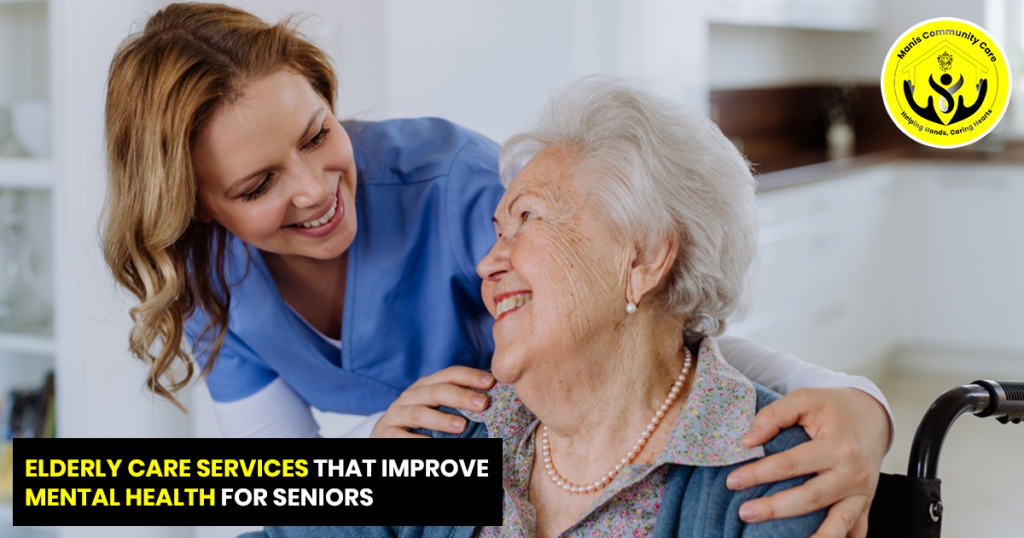
Elderly Care Services That Improve Mental Health for Seniors

As our elders age, maintaining their mental health is as essential as their physical health. Loneliness, anxiety or changes in memory can affect their overall well-being. That is where elder care services come in. These services offer tailored support, providing companionship and comfort to enhance seniors’ mental well-being. At MCCare, we are a trusted home care provider operating in New Zealand, catering to the problem of loneliness in old age. Our elderly care services help older adults maintain a sense of connection, worth and happiness. Today, we will look at how elderly care services positively support mental health and can have a real impact on older adults and their families. Let’s explore the key ways that care services uplift seniors’ mental health and bring peace of mind to their families. Why Does Mental Health Matter for Seniors? As we age, life can feel lonely, friends may move away, everyday tasks may become increasingly difficult, and seniors may feel less independent. These changes can lead to feelings of sadness, loneliness, anxiety or depression. Beyond helping with daily chores, care services create moments of joy and connection, nurturing seniors’ emotional well-being. A kind word, a mutual laugh, or a helping hand can certainly make a bright day for a senior. The caregivers know and understand this and help establish trust, ensuring every senior feels cared for. The Power of Companionship Companionship is one of the top ways that senior care service providers promote mental wellness. Whether it’s just sitting down with someone to talk or having a cup of tea, companionship has an enormous impact. Professional caregivers do not just help with tasks, they provide companionship in their day-to-day activities. For example, a caregiver may assist a senior in sorting through some old photographs, discussing the happy memories. When these moments are created, and the senior feels less lonely and more connected, it is all a powerful contributor to mental health and clarity! Keeping the Mind Active Keeping the elderly’s mind active is important for good health. Many older adults have hobbies like gardening, reading, or puzzles. They need a little encouragement to engage. Caregivers can offer suggestions for enjoyable, easy activities that stimulate mental engagement. For example, caregivers can assist the older adult in starting a small knitting project or playing a memory game together. Such activities stimulate brain activity and also give older adults something they look forward to everyday. By offering activities that correspond to what an individual enjoys doing, the caregiver can ensure the experience is rich and meaningful to the person. A Safe and Comfortable Home Simply knowing that you are safe at home can do wonders for mental health. Older adults who think a lot about falling or managing all of the things of daily life can find themselves feeling overwhelmed and anxious. Elderly care services assist with ways to remove daily tasks like cooking, cleaning, or getting dressed from daily thought.  A safe home is simply one that reduces worry, allowing older adults to engage with their day in a comfortable space. Caregivers will additionally assess some of the environmental aspects of the home, including loose rugs, dim lighting, or other factors that may increase risk. Knowing the environment is secure creates confidence for older adults, improving mood and increasing enjoyment. Supporting Physical and Mental Health Mental health is tied to physical health. Seniors with aches, pains, or chronic conditions may face anxiety or frustration. Caregivers can help by assisting with reminders for medications or providing rides to doctor appointments.  They can easily turn a regular hospital visit into an enjoyable outing through friendly conversation. Ease seniors’ anxiety, turning routine doctor visits into enjoyable outings filled with laughter or shared stories.  Building confidence and independence A proactive approach to building mental health is having independence. A large part of independence is the feeling of capability. The professional caregivers support seniors in being as independent as possible while assisting when necessary. For example, assistance can be rendered in small tasks, but let the senior choose clothing or food. This balance gives the senior a sense of empowerment rather than dependency. It provides levels of capability that help seniors gain confidence and enhance their capacity to remain positive and engaged. Conclusion When seniors are happy and supported, their families feel better as well. It takes the stress away from the family knowing their loved ones are happy. Elderly care services are about so much more than just helping them; it is about joy, connection, and comfort. MCCare’s focus on compassion and respect allow seniors to feel valuable. They can create a difference in the mental health of your loved one by providing companionship, motivation to do things, and safety. If you want care that feels like family, please contact MCCare today.

Elderly Care Services That Improve Mental Health for Seniors Read More »