Home Care for Elderly

Elderly Care Services

Daily Care Tips That Help Seniors Stay Independent Longer

Watching a parent or loved one slow down with age is tough. Your first instinct might be to jump in and do everything for them. But true care is often about empowering them to do things for themselves. Staying independent is what keeps us feeling confident and healthy. The good news? With a few simple daily habits and the right support from an elderly care services partner like MCCare, your loved one can safely enjoy their own home for much longer. Here are some practical ways to help make that happen. Actionable Daily Tips For Sustaining Independence Tackle Trip Hazards Immediately Move around the house and clean up the loose carpets, messes and power cords off the walkways. The simplest method of avoiding a dangerous fall is to keep the walkways clean. Install Simple Safety Aids Install grab bars in the shower and besides the toilet. Insert non-slip mats both indoors and outdoors in the tub. These mini-installations are essential and instil confidence. Make Everything Easy To Reach Move the kitchen and wardrobe around. Put everyday items like dishes, pots, and clothing on shelves that are approximately at the waist. This eliminates dangerous stretching and bending. Keep The Home Brightly Lit Install brighter bulbs and plug in night lights in hallways, stairways and bathrooms. Lighting assists in navigation, both day and night. Use A Pill Organiser Faithfully The guesswork of medication is removed with the help of a weekly pill organiser. For added reassurance, a carer from a trusted Elderly Care Services at-home provider like MCCare can offer friendly reminders and ensure medications are taken correctly. Prepare Healthy Meals In Advance Allot some hours in a week to chopping vegetables or preparing meals that can be frozen. Healthy eating is easy because of the availability of healthy, ready-made food. Build Movement Into Every Day Promote a daily walk or some exercises on a chair. Regularity is better than intensity in the process of retaining strength and balance. Schedule Social Connection Put it on the calendar! Loneliness is combated by a weekly coffee date, a phone call with a friend, or a video chat with family and keeps the mind active. Arrange Reliable Transport In case driving is not safe anymore, get another means of transport. This is where seeking compassionate elderly care services near me shines. A carer will be able to offer a helping hand to go to the shop, doctor or a favourite park. Accept Help Where It Counts Allow an assistant to do the more difficult tasks, such as vacuuming or bed linen. This will conserve the energy of your loved one for the activities that he or she really enjoys. Conclusion Remember, asking for help isn’t a sign of failure; it’s a smart way to extend your loved one’s independence. These daily tips are a powerful start, but sometimes, you need a professional partner. That’s where we come in. At MCCare, we specialise in providing the exact support your family needs to fill in the gaps. Our flexible elderly care services are built around your loved one, helping with everything from safety and daily routines to companionship and getting out into the community. Let’s work together to create a care plan that supports a life of freedom, dignity, and joy at home. Contact us today!

Daily Care Tips That Help Seniors Stay Independent Longer Read More »

Elderly Care in New Zealand

The Benefits of In-Home Elderly Care Services in New Zealand

Realising that an ageing parent or loved one requires more support even in daily activities is a deeply human experience. Many families face a tough decision: should they go for a retirement village, or is there a way to help their loved one stay in their own home? For many, modern elderly care in New Zealand, like MCCare, offers a wonderful third option. It’s no longer just about basic tasks; instead, it’s about living with independence, connection, and joy. So, what does private home care for the elderly look like? In this blog we have explored all the benefits of aged care in New Zealand in detail. Keep on reading! What Are the Real Benefits of Aged Care at Home? When you ask, What are the benefits of aged care? most people first think of the basics: help with cleaning or medication management. But the impact runs so much deeper than that. It’s about preserving a person’s way of life. Staying at home means remaining in a familiar environment filled with memories, maintaining neighbourhood friendships, and holding onto the simple daily rituals. This emotional comfort is a powerful foundation for overall well-being, something we at MCCare witness every single day. How Does In-Home Elderly Care in New Zealand Boost Well-being? Generic care plans often miss the point. Effective home care in New Zealand is built around the individual. Think about the difference between a scheduled meal in a facility and enjoying a home-cooked recipe they’ve made for years. It’s the difference between a group activity and a quiet chat in their own garden. This is where private home care for the elderly shines. With personalised attention, the carer isn’t rushed. They have the time to not only ensure safety but also to foster genuine connection. They can assist with your loved one’s favourite hobby, drive them to a local park, or simply share a story. This personalised attention is the heart of quality aged care in New Zealand. What Elderly Home Help Services Offer Your Family? Many people view elderly home help services as primarily household helping tasks. Keeping a house clean and safe is essential, but the best home help services offer family members something far more valuable: peace of mind. Knowing a qualified professional is in the home on a regular basis eliminates the constant worry for family members. This type of support lets you focus on spending quality time with your loved one rather than worrying about dinner and medications for the elderly.  Why Are Private Homecare Services for the Elderly a Game-Changer? While the other aged care providers in New Zealand help with essential care, they frequently do not have the flexibility or depth that many families would like. This is where private homecare services are vital. Service providers such as MCCare provide support designed to meet your specific schedule needs. In this approach, you feel empowered to make choices, so the care is adapted to suit your loved one’s life, not vice versa. This approach to aged care in New Zealand puts control back on the family side. Conclusion Choosing the right path for elderly care in New Zealand is one of the most important decisions a family can make. If you’re wondering what compassionate, personal aged care in New Zealand could look like for your family, we’re here to help you explore the possibilities. At MCCare, we’re dedicated to providing the personalised support that lets your loved one thrive in the comfort of their own home. Reach out to us today!

The Benefits of In-Home Elderly Care Services in New Zealand Read More »

Elderly Care Services

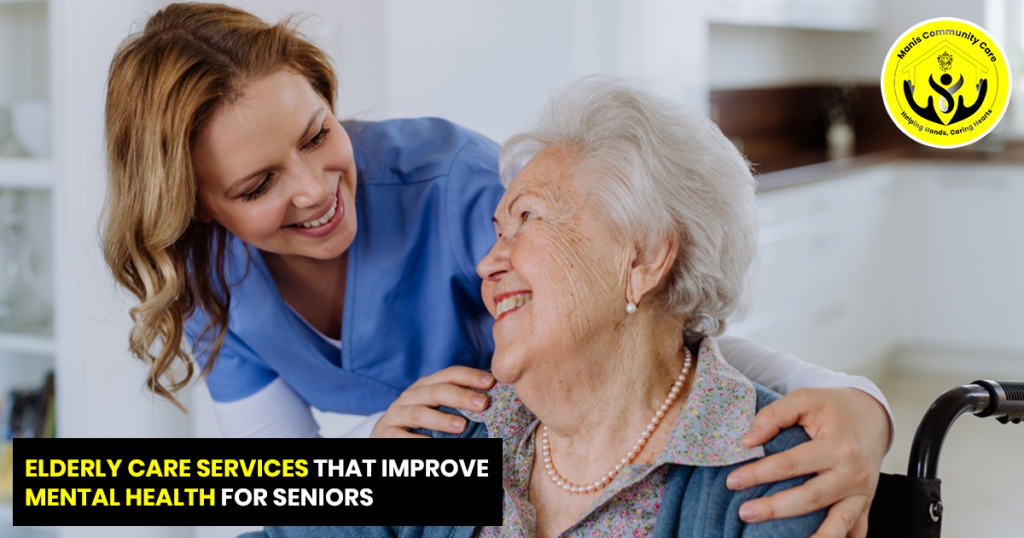
Elderly Care Services That Improve Mental Health for Seniors

As our elders age, maintaining their mental health is as essential as their physical health. Loneliness, anxiety or changes in memory can affect their overall well-being. That is where elder care services come in. These services offer tailored support, providing companionship and comfort to enhance seniors’ mental well-being. At MCCare, we are a trusted home care provider operating in New Zealand, catering to the problem of loneliness in old age. Our elderly care services help older adults maintain a sense of connection, worth and happiness. Today, we will look at how elderly care services positively support mental health and can have a real impact on older adults and their families. Let’s explore the key ways that care services uplift seniors’ mental health and bring peace of mind to their families. Why Does Mental Health Matter for Seniors? As we age, life can feel lonely, friends may move away, everyday tasks may become increasingly difficult, and seniors may feel less independent. These changes can lead to feelings of sadness, loneliness, anxiety or depression. Beyond helping with daily chores, care services create moments of joy and connection, nurturing seniors’ emotional well-being. A kind word, a mutual laugh, or a helping hand can certainly make a bright day for a senior. The caregivers know and understand this and help establish trust, ensuring every senior feels cared for. The Power of Companionship Companionship is one of the top ways that senior care service providers promote mental wellness. Whether it’s just sitting down with someone to talk or having a cup of tea, companionship has an enormous impact. Professional caregivers do not just help with tasks, they provide companionship in their day-to-day activities. For example, a caregiver may assist a senior in sorting through some old photographs, discussing the happy memories. When these moments are created, and the senior feels less lonely and more connected, it is all a powerful contributor to mental health and clarity! Keeping the Mind Active Keeping the elderly’s mind active is important for good health. Many older adults have hobbies like gardening, reading, or puzzles. They need a little encouragement to engage. Caregivers can offer suggestions for enjoyable, easy activities that stimulate mental engagement. For example, caregivers can assist the older adult in starting a small knitting project or playing a memory game together. Such activities stimulate brain activity and also give older adults something they look forward to everyday. By offering activities that correspond to what an individual enjoys doing, the caregiver can ensure the experience is rich and meaningful to the person. A Safe and Comfortable Home Simply knowing that you are safe at home can do wonders for mental health. Older adults who think a lot about falling or managing all of the things of daily life can find themselves feeling overwhelmed and anxious. Elderly care services assist with ways to remove daily tasks like cooking, cleaning, or getting dressed from daily thought.  A safe home is simply one that reduces worry, allowing older adults to engage with their day in a comfortable space. Caregivers will additionally assess some of the environmental aspects of the home, including loose rugs, dim lighting, or other factors that may increase risk. Knowing the environment is secure creates confidence for older adults, improving mood and increasing enjoyment. Supporting Physical and Mental Health Mental health is tied to physical health. Seniors with aches, pains, or chronic conditions may face anxiety or frustration. Caregivers can help by assisting with reminders for medications or providing rides to doctor appointments.  They can easily turn a regular hospital visit into an enjoyable outing through friendly conversation. Ease seniors’ anxiety, turning routine doctor visits into enjoyable outings filled with laughter or shared stories.  Building confidence and independence A proactive approach to building mental health is having independence. A large part of independence is the feeling of capability. The professional caregivers support seniors in being as independent as possible while assisting when necessary. For example, assistance can be rendered in small tasks, but let the senior choose clothing or food. This balance gives the senior a sense of empowerment rather than dependency. It provides levels of capability that help seniors gain confidence and enhance their capacity to remain positive and engaged. Conclusion When seniors are happy and supported, their families feel better as well. It takes the stress away from the family knowing their loved ones are happy. Elderly care services are about so much more than just helping them; it is about joy, connection, and comfort. MCCare’s focus on compassion and respect allow seniors to feel valuable. They can create a difference in the mental health of your loved one by providing companionship, motivation to do things, and safety. If you want care that feels like family, please contact MCCare today.

Elderly Care Services That Improve Mental Health for Seniors Read More »

Home Assistance for Seniors

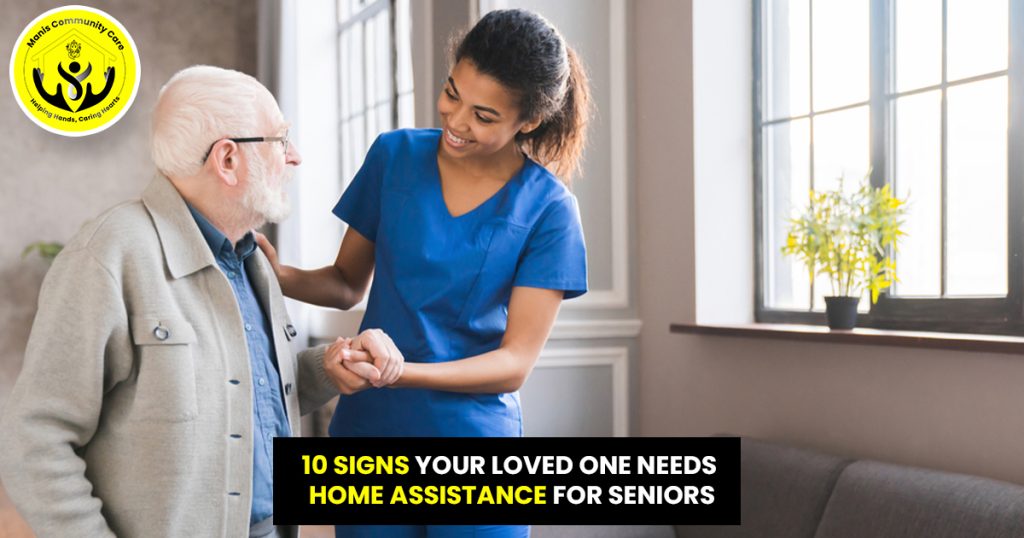
10 Signs Your Loved One May Need Home Assistance for Seniors

It’s never easy to accept that someone you care about might need more help than they used to. But sometimes, small changes in behaviour, energy, or routine can tell you what they may not say aloud. If you’ve been feeling unsure about whether it’s time to look into support, here are ten clear signs that home assistance for seniors could make life better for your loved one—and for you too. 1.  They are Struggling With Daily Tasks Washing dishes, cooking meals, or even brushing hair can become tough with age. If basic things like dressing or making tea feel like a chore, it might be time to bring in someone who can lend a hand. 2.  The House Looks Out of Order A once-tidy home now has piles of laundry, expired food in the fridge, or mail collecting dust? That could be a red flag. Many older adults want to keep things under control but no longer have the energy or strength to keep up. 3.  They have Had a Fall (Or Nearly Did) Even if no injury happened, a fall—or close call—can signal real safety risks. Limited balance, weak joints, or vision trouble can all make daily movement risky. A carer can step in to make the home safer and offer gentle physical help. 4.  Medications Are Missed or Misused Are pills skipped or doubled up? Confusion around medicine routines is dangerous and all too common. Help from a trained carer can make sure meds are taken properly and on time—no more guesswork. 5.  Meals Are Skipped or Poorly Prepared If your loved one’s losing weight, complaining about cooking, or living on toast and tea, they’re likely not getting the nutrition they need. A home carer can assist with meal planning, grocery shopping, and healthy cooking. 6.  Memory Slips Are Becoming Common It’s normal to forget a name now and then, but when confusion becomes regular—missing appointments, misplacing items, or repeating stories—it’s time to act. A trained carer can offer gentle memory support and daily structure. 7.  Their Mood Has Changed Is your loved one quieter than usual? Irritable? Tearful? Shifts in mood might mean they’re struggling more than they let on. Loneliness, frustration, or early signs of cognitive decline could all be at play. 8.  They Don’t Want to Socialise Anymore Avoiding friends, family, or hobbies might be more than just tiredness. It could reflect deeper emotional or physical fatigue. With someone to check in and provide company, they’re more likely to stay engaged. 9.  You are Noticing Unusual Habits Wearing winter clothes on hot days, forgetting to eat, or repeating odd routines—these things may seem small at first, but they often hint at something bigger. Don’t dismiss these changes; they’re often a call for support. 10. You are Feeling Overwhelmed If you’re the main caregiver and feel constantly exhausted, frustrated, or anxious, you’re not alone. Getting help doesn’t mean you’re giving up. It means you care enough to make sure your loved one gets the right attention and you get the balance you need too. Support That Makes a Real Difference Recognising these signs is the first step. Taking action is the next. That’s where MCCare comes in. Our dedicated team provides respectful, flexible, and trusted home assistance for seniors, tailored to individual needs. Whether your loved one needs a little help once a week or daily personal care, MCCare is here to make life at home easier, safer, and more enjoyable. Let’s chat about how we can support you both.

10 Signs Your Loved One May Need Home Assistance for Seniors Read More »